Textiles are only ever as good as the yarn they are knitted from. Innovative yarns, therefore, form the basis for the fabrics of the future. And please don’t just think about clothing. To ensure you don’t lose the thread, this blog post informs you about the five most important trends in yarns – including some surprising examples.
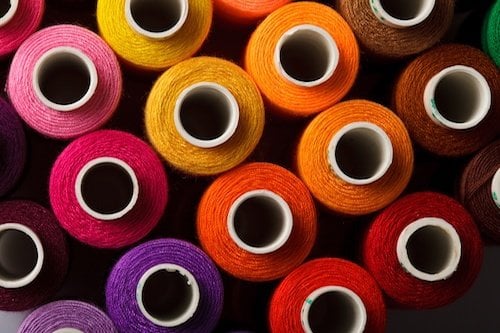
Textiles only succeed when their yarns are forward-thinking. Yarn innovations form the foundation for tomorrow’s fabrics—whether for clothing, home goods, or technical uses. Below are five major yarn trends shaping the future of the textile industry.
Bionics brings nature’s smartest designs into industry. For example, spider silk is stronger than steel by weight, highly elastic, antibacterial, lightweight, and biodegradable.
Startups like Amsilk are creating synthetic spider silk alternatives. These materials mimic natural silk’s exceptional moisture regulation and softness. They show promise in cosmetics, parka exteriors, and even medical implants.
Cotton uses many resources. As an alternative, materials like TENCEL® offer similar or better properties: they absorb more than cotton, feel softer than silk, and stay cooler than linen.
Other natural options include fibers from hemp waste, wood, and shredded old clothing. These materials are plant-based, plastic-free, biodegradable, and increasingly viable for both fashion and functional textiles.
Trash can be treasure. Old clothes, discarded plastics, and fishing nets are being reinvented as yarns. Companies like Adidas with Parley for the Oceans turn ocean plastic into high-performance shoes and apparel. Ecoalf uses nets from the sea to create garments.
These recycled materials help reduce waste and deliver strong environmental stories that consumers care about.
Yarns that do more than just cover—they compute, sense, and respond. Examples include conductive yarns that transmit heat, block electromagnetic waves, or monitor health metrics. The NTT DoCoMo / Toray smart T-shirt measures heart rate.
Such yarns are still emerging, but they point to a future in which clothing and textile products can monitor, adapt, and protect.
Researchers are blending biotech and textile innovation. At MIT Media Lab, for instance, fabrics infused with Bacillus subtilis bacteria change their structure based on sweat and moisture—opening or closing air holes to improve skin comfort.
These materials push the boundary between biology and textile engineering.
Yarn innovation connects disparate fields—biotech, recycling, natural materials, and smart tech—all in one fiber.
Waste is being reimagined as raw material.
Wearables and smart clothing are just starting to hit scale.
For European textile makers especially, these trends represent new economic and environmental opportunities. With innovation and thoughtful adoption, the industry can move beyond cheap competition toward higher value, more responsible fabrics.
lead-innovation.com